
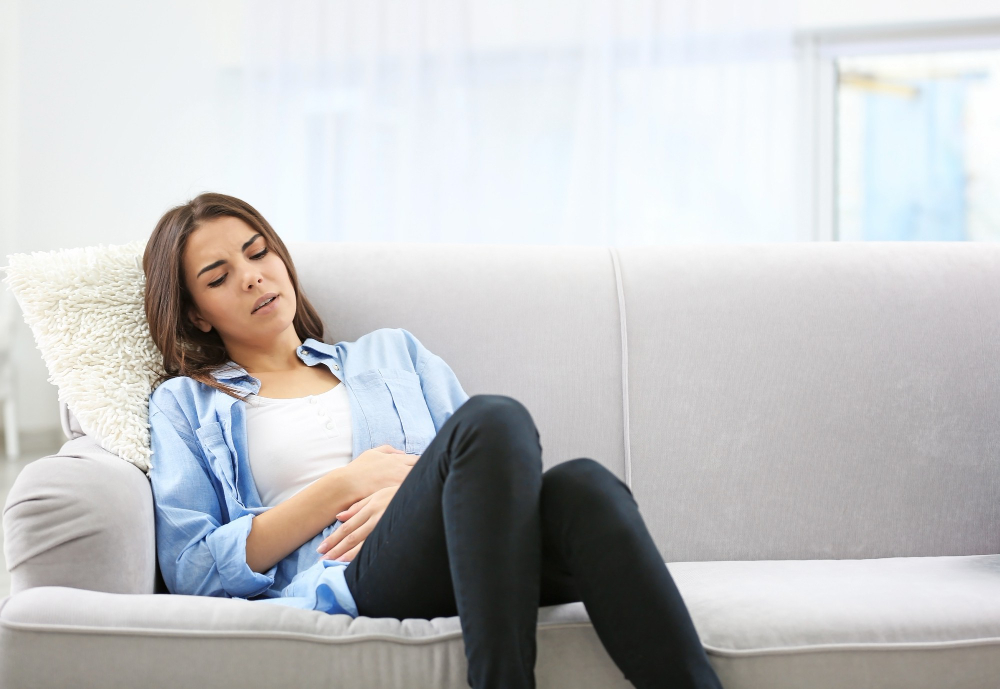
Pelvic pain can affect your daily life and make simple tasks hard. Many people experience pelvic pain at some point. Understanding pelvic pain is important because it can signal different health issues. Early care can help you feel better and prevent problems. In this blog, you will learn about pelvic pain, its causes, symptoms, diagnosis, and treatment options. You will also find tips on when to see an orthopedic specialist for pelvic pain.
What Is Pelvic Pain?
Pelvic pain is discomfort felt in the lower part of your belly, between your hips. Sometimes, the pain is sharp and sudden. Other times, it may be dull and last for weeks or months. Chronic pelvic pain means the pain lasts for more than six months. While both men and women can have pelvic pain, the causes may differ. However, orthopedic issues often play a big role in both.
Common Causes of Pelvic Pain
There are many reasons you might feel pelvic pain. Some causes are related to bones, joints, or muscles. Orthopedic causes are common and include:
Sometimes, other health problems like infections or nerve issues can also cause pelvic pain. But orthopedic causes are often overlooked, so it is important to consider them.
Recognizing Symptoms of Pelvic Pain
Pelvic pain can feel different for each person. Yet, there are some common symptoms to watch for:
Sometimes, the pain may come and go. Other times, it may be constant. If you notice any of these symptoms, it is wise to pay attention. Early care can help prevent chronic pelvic pain.
How Is Pelvic Pain Diagnosed?
Doctors use several steps to find the cause of pelvic pain. First, they ask about your symptoms and medical history. Next, they do a physical exam to check your hips, back, and legs. Sometimes, they may order tests such as:
In some cases, your doctor may refer you to an orthopedic specialist. This is important if the pain is severe, lasts a long time, or does not improve with basic care. According to the CDC, early diagnosis can help prevent long-term problems.
Treatment Options for Pelvic Pain
Treatment for pelvic pain depends on the cause. Often, orthopedic treatment options can help. Some common treatments include:
Most people feel better with simple treatments. However, chronic pelvic pain may need a team approach, including orthopedic care and physical therapy. The World Health Organization notes that early treatment leads to better results.
Lifestyle Tips and Prevention
There are steps you can take to lower your risk of pelvic pain. Here are some helpful tips:
Additionally, if you play sports, always warm up before activity. If you notice pain, stop and rest. Early action can prevent injuries from getting worse.
If you are suffering from pelvic pain, consult an orthopedic specialist at Regenio Clinics for personalized advice and treatment. Early care can help you return to your normal activities and improve your quality of life.