
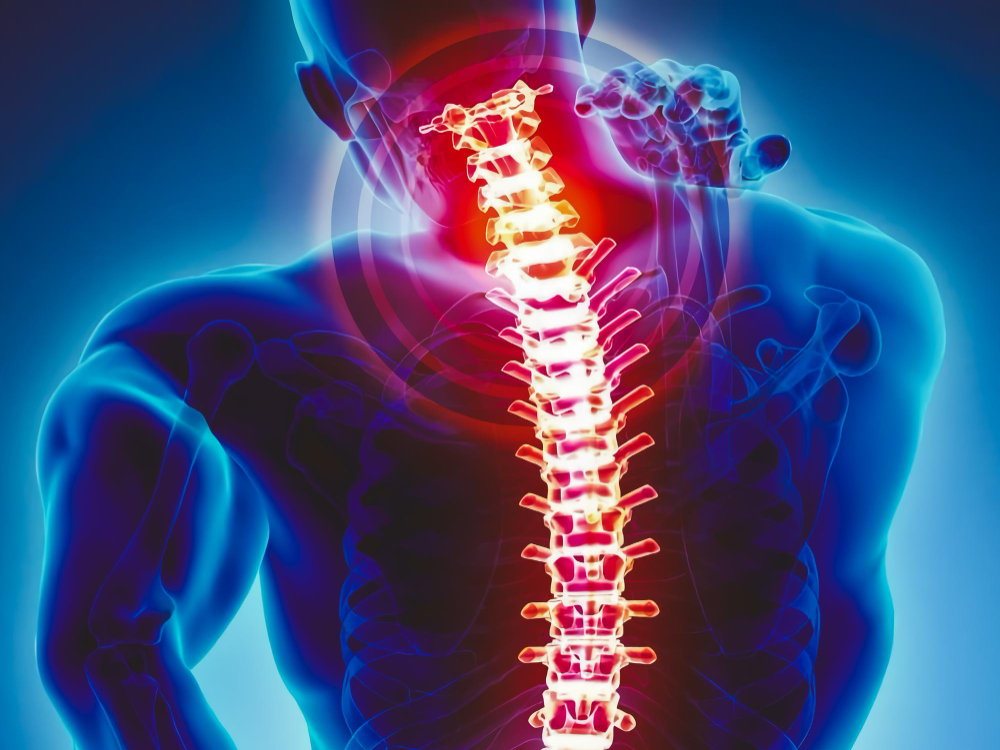
What is Lumbar Spondylosis?
Lumbar Spondylosis is a common condition that affects the lower back. It happens when the bones and joints in the lower spine wear down over time. As a result, many people in the United States experience lower back pain due to this degenerative spine disease. While it is often called lumbar spine arthritis, it is not the same as other types of arthritis. Instead, it is a form of age-related wear and tear. Over time, the changes in the spine can cause pain and stiffness. However, not everyone with Lumbar Spondylosis will have symptoms.
Common Symptoms
Many people with Lumbar Spondylosis may not notice any symptoms at first. However, as the condition progresses, symptoms can appear. For example, you may feel:
Sometimes, symptoms can come and go. But if you notice pain that does not improve, it is important to seek help.
Causes and Risk Factors
As people age, the discs and joints in the lower back can break down. This natural process is the main cause of Lumbar Spondylosis. However, several factors can increase your risk. For instance, you may be more likely to develop this condition if you:
Because these factors add up over time, Lumbar Spondylosis is more common in older adults.
Diagnosis Methods
Doctors use several methods to diagnose Lumbar Spondylosis. First, they will ask about your symptoms and medical history. Next, they may perform a physical exam to check your back and legs. In addition, your doctor may order tests such as:
With these tools, your doctor can confirm if you have Lumbar Spondylosis and rule out other conditions.
Treatment Options
Treatment for Lumbar Spondylosis depends on your symptoms and needs. Often, doctors start with simple steps. For example, you may benefit from:
Sometimes, if pain is severe, your doctor may suggest:
Most people improve with non-surgical treatments and regular care.
Lifestyle Tips and Prevention
Although you cannot stop aging, you can lower your risk of Lumbar Spondylosis. For instance, you can:
By following these tips, you can help protect your lower back and reduce pain.
When to See a Doctor
Sometimes, back pain can be a sign of a serious problem. Therefore, you should see a doctor if you:
Early treatment can help prevent further problems and improve your quality of life.
If you think you may have Lumbar Spondylosis, consult an orthopedic specialist Dr.Shekhar Reddy for personalized advice.