
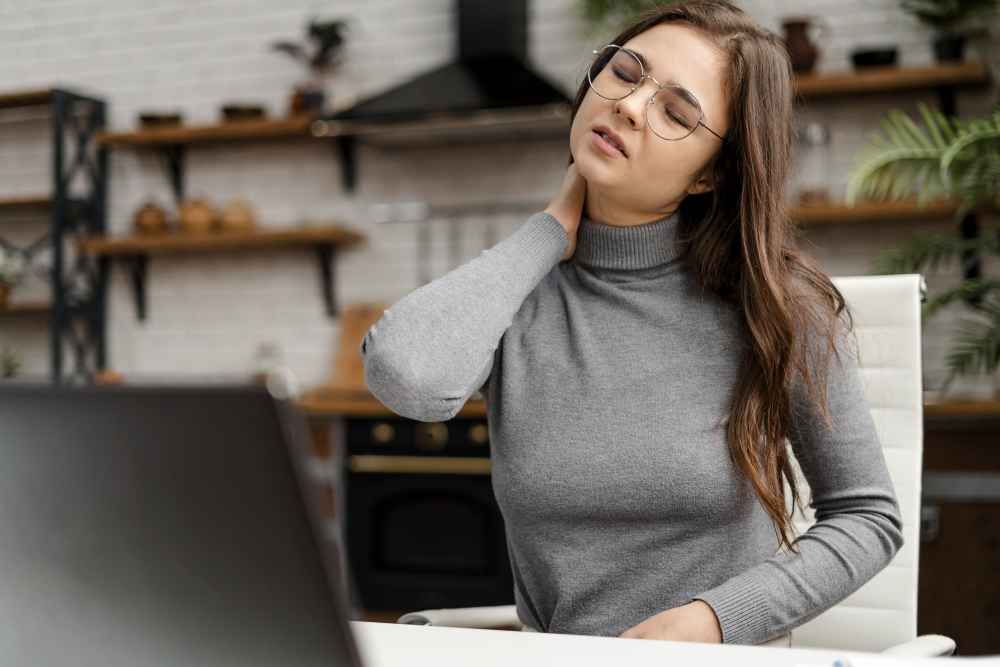
Cervical Spondylosis (Arthritis of the Neck): Reduce Your Risk with these Lifestyle Preventive Measures

What is Cervical Spondylosis (Arthritis of the Neck)?

Cervical spondylosis, also called arthritis of the neck, is a common condition. It happens when the bones and discs in your neck wear down over time. As people age, these changes can cause pain and stiffness. In fact, many adults over 60 have some signs of cervical spondylosis. However, not everyone will have symptoms. Early steps can help prevent or slow down this neck arthritis.

Common Symptoms and Causes

Often, cervical spondylosis develops slowly. But, some people may notice symptoms sooner. Common signs include:

  • Neck pain or stiffness, especially after sitting or sleeping
  • Headaches that start at the back of the head
  • Pain in the shoulders or arms
  • Weakness or numbness in the arms, hands, or fingers
  • Grinding or popping sounds when moving the neck
  • There are several causes for this condition. Age is the main factor, but other causes include:

  • Poor posture during work or sleep
  • Repetitive neck movements, often seen in office workers
  • Previous neck injuries
  • Family history of neck arthritis
  • Being overweight, which adds stress to the neck
  • Why Prevention Matters

    Even though cervical spondylosis is common, prevention is important. Early changes can help you avoid pain and keep your neck healthy. For example, good habits may slow down the wear and tear on your neck. Also, preventing neck arthritis can help you stay active and enjoy daily life. If you take steps now, you may reduce your risk of serious problems later.

    Lifestyle Preventive Measures

    Thankfully, you can lower your risk of cervical spondylosis with simple lifestyle changes. Try these tips to protect your neck:

  • Practice good posture: Always keep your head in line with your shoulders. Sit up straight at your desk and avoid slouching.
  • Take regular breaks: If you work at a computer, stand up and stretch every hour. This helps reduce neck strain.
  • Exercise your neck and shoulders: Gentle stretches and movements can keep your neck flexible. For example, slowly turn your head from side to side.
  • Use ergonomic furniture: Choose a chair with good back support. Adjust your computer screen to eye level to avoid bending your neck.
  • Maintain a healthy weight: Extra weight puts more pressure on your neck. Eating well and staying active can help.
  • Sleep with proper support: Use a pillow that keeps your neck in a neutral position. Avoid sleeping on your stomach, as it twists your neck.
  • Avoid carrying heavy bags on one shoulder: Instead, use a backpack or carry lighter loads to balance the weight.
  • Stay active: Regular physical activity keeps your muscles strong and supports your neck.
  • Quit smoking: Smoking can speed up the wear and tear on your neck bones.
  • When to See a Doctor

    Sometimes, neck pain can be a sign of a more serious problem. You should see a doctor if:

  • Your neck pain does not improve with rest
  • You feel numbness, tingling, or weakness in your arms or legs
  • You have trouble walking or balancing
  • You lose control of your bladder or bowels
  • Early medical advice can help prevent further damage. In addition, a doctor can suggest the best treatment for your needs.

    Conclusion & Call-to-Action

    In summary, cervical spondylosis (arthritis of the neck) is a common problem, but you can take steps to reduce your risk. Simple lifestyle changes, like good posture and regular exercise, make a big difference. If you have ongoing neck pain or other symptoms, consult a specialist at Regenio Clinics for personalized guidance on preventing cervical spondylosis.