
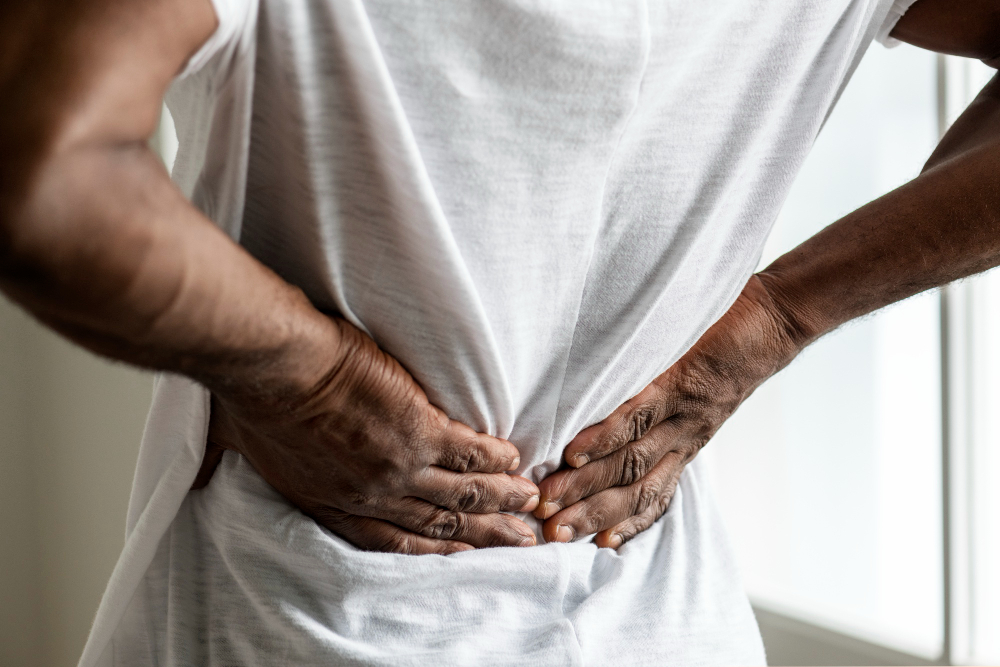
What is Disc Prolapse?
Disc prolapse is a condition where a soft cushion between the bones in your spine slips out of place. This cushion is called a disc. When it moves, it can press on nearby nerves. As a result, you may feel pain or numbness. Many people also know this problem as a herniated disc. In many cities, disc prolapse is a common reason for back pain. According to the World Health Organization, back pain affects millions worldwide. However, not everyone with disc prolapse will have severe symptoms.
Symptoms of Disc Prolapse
Disc prolapse symptoms can vary. Some people feel only mild discomfort. Others may have strong pain. For example, symptoms often depend on where the disc has slipped. Common signs include:
Sometimes, symptoms can come and go. But in rare cases, you might lose control of your bladder or bowels. If this happens, seek medical help right away.
Common Causes of Disc Prolapse
Disc prolapse often happens as people get older. Over time, the discs in your spine lose water and become less flexible. As a result, they are more likely to slip or tear. However, other causes include:
Sometimes, disc prolapse can run in families. But not everyone with these risk factors will develop the condition.
How Disc Prolapse is Diagnosed
Doctors use several steps for disc prolapse diagnosis. First, they ask about your symptoms and medical history. Next, they perform a physical exam. During this exam, your doctor may check your reflexes, muscle strength, and feeling in your arms or legs. If needed, they may order tests such as:
Sometimes, nerve tests help find out if a nerve is affected. With these tools, doctors can confirm if you have a disc prolapse.
Treatment Options for Disc Prolapse
There are many herniated disc treatment options. Most people get better with simple care. For example, doctors often suggest:
Sometimes, doctors may give steroid injections to reduce swelling. Surgery is rare but may be needed if symptoms do not improve. However, most people recover without surgery.
Lifestyle Tips for Managing Disc Prolapse
With the right steps, you can manage disc prolapse at home. For example, you can:
Additionally, following your doctor’s advice helps prevent more problems. If pain gets worse or you notice new symptoms, contact your healthcare provider.
Prevention of Disc Prolapse
Although not all cases can be prevented, you can lower your risk. For example, here are some tips on how to prevent disc prolapse:
By making these changes, you can protect your spine and reduce your risk of disc prolapse. consult Dr. Shekhar Reddy for expert guidance.