
Introduction to Myofascial Trigger Point Therapy
Myofascial trigger point therapy is a hands-on treatment for muscle pain. It targets tight spots in your muscles, often called “muscle knots.” These knots can cause pain and limit movement. Many people seek this therapy for trigger point pain relief. It is often part of physiotherapy for muscle knots and myofascial pain treatment. The main goal is to reduce pain and help you move better.
Common Symptoms and Causes of Myofascial Trigger Points
Myofascial trigger points are small, tight areas in your muscles. They can feel sore or tender. Sometimes, they cause pain in other parts of your body. For example, a knot in your shoulder might cause neck pain. You might notice:
There are many causes for these trigger points. For instance, poor posture, stress, or overuse of muscles can lead to knots. Sometimes, an injury or lack of movement can also cause them.
How Myofascial Trigger Point Therapy Works
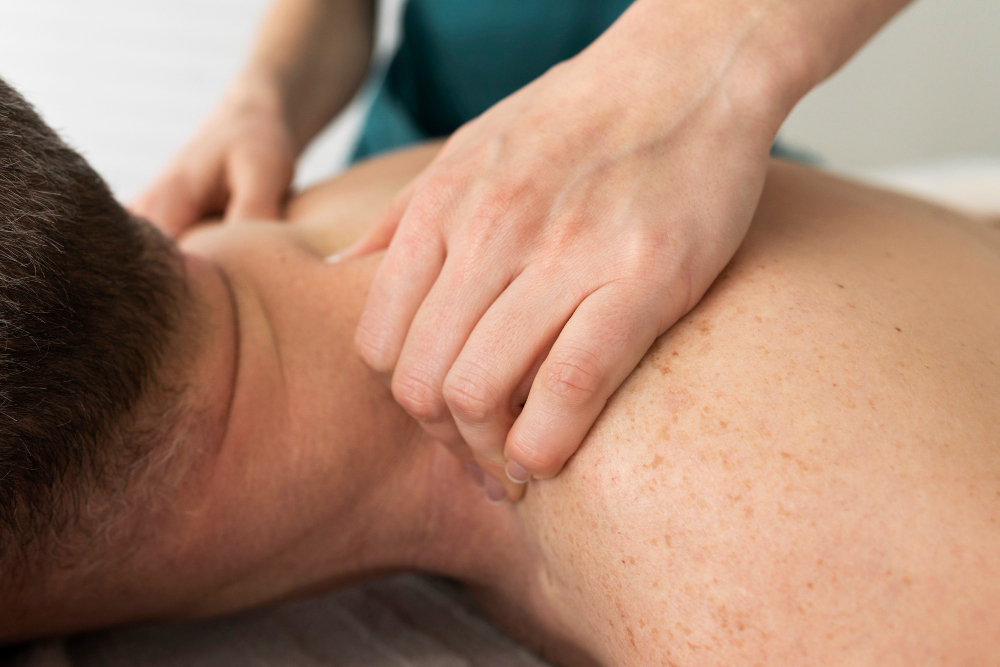
This therapy uses different techniques to relax muscle knots. Usually, a physiotherapist or trained therapist will find the trigger points by touch. Then, they use pressure or stretching to release the tight spots. Common techniques include:
Often, these methods help reduce pain and improve movement. In some cases, therapists may suggest exercises to keep muscles loose.
Benefits of Myofascial Trigger Point Therapy
Many people find relief with myofascial trigger point therapy. Not only does it help with pain, but it can also improve how you move. Some key benefits include:
According to the American Physical Therapy Association, this therapy can be safe and helpful for many people. However, results may vary for each person.
What to Expect During a Therapy Session
Before your session, your therapist will ask about your pain and health history. Next, they will check your muscles and find any trigger points. During the session, you may feel pressure or mild discomfort as they work on the knots. However, the pain should not be severe. Afterward, you might feel sore for a day or two. But, most people notice less pain and better movement soon after.
Safety, Risks, and Who Should Consider This Therapy
For most people, myofascial trigger point therapy is safe. Still, there are some risks. For example, you might feel soreness or bruising after treatment. Rarely, people with certain health problems should avoid this therapy. These include:
Always tell your therapist about your health history. This helps them choose the safest treatment for you.
Tips for Prevention and Self-Care
While therapy can help, you can also take steps at home. For instance, try these tips to prevent muscle knots:
Additionally, gentle self-massage or using a foam roller can help ease mild knots. But, if pain lasts or gets worse, seek professional help.
When to Consult a Physiotherapist
If you have ongoing muscle pain or tightness, it may be time to see a physiotherapist. Especially if home care does not help, or if pain affects your daily life, professional treatment can make a big difference. Many clinics offer myofascial trigger point therapy near you. A qualified physiotherapist can assess your needs and suggest the best plan for you.
In summary, myofascial trigger point therapy is a safe and effective way to treat muscle knots and pain. Consult the best physiotherapist Shekhar Reddy if you are looking for myofascial trigger point therapy.