
Back pain can make daily life hard. For many, radiofrequency ablation for back pain offers hope. This minimally invasive back pain treatment uses heat to target nerves causing pain. As a result, it can help people who have not found relief from other chronic back pain relief options. But who is a candidate for radiofrequency ablation? In this blog, you will learn how this treatment works and who may benefit.
What Is Radiofrequency Ablation?
Radiofrequency ablation, or RFA, is a medical procedure. Doctors use it to treat pain by sending heat to certain nerves. The heat stops pain signals from reaching the brain. Because it is minimally invasive, RFA does not require large cuts or long hospital stays. Many people choose RFA when other treatments do not work. According to the CDC, chronic pain affects millions of adults, so new options like RFA are important.
How Does Radiofrequency Ablation Work for Back Pain?
First, doctors find the nerves causing your back pain. Next, they use a thin needle to reach these nerves. Then, a small electric current creates heat at the tip of the needle. This heat damages the nerve, which stops it from sending pain signals. For many, this means less pain for several months or even longer. In fact, some people feel relief right away, while others notice improvement over a few weeks.
Who May Benefit from Radiofrequency Ablation?
Not everyone with back pain is a good candidate for RFA. However, certain people may benefit more. You may be a candidate if:
For example, people in cities with access to radiology clinics may find RFA easier to get. Always talk to your doctor to see if this treatment is right for you.
Common Symptoms and Conditions Treated
RFA can help with many types of back pain. Common symptoms and conditions treated include:
Sometimes, RFA is used for pain after spine surgery. However, it is not for everyone. Your doctor will help decide if your symptoms match those treated by RFA.
How Is Radiofrequency Ablation Performed?
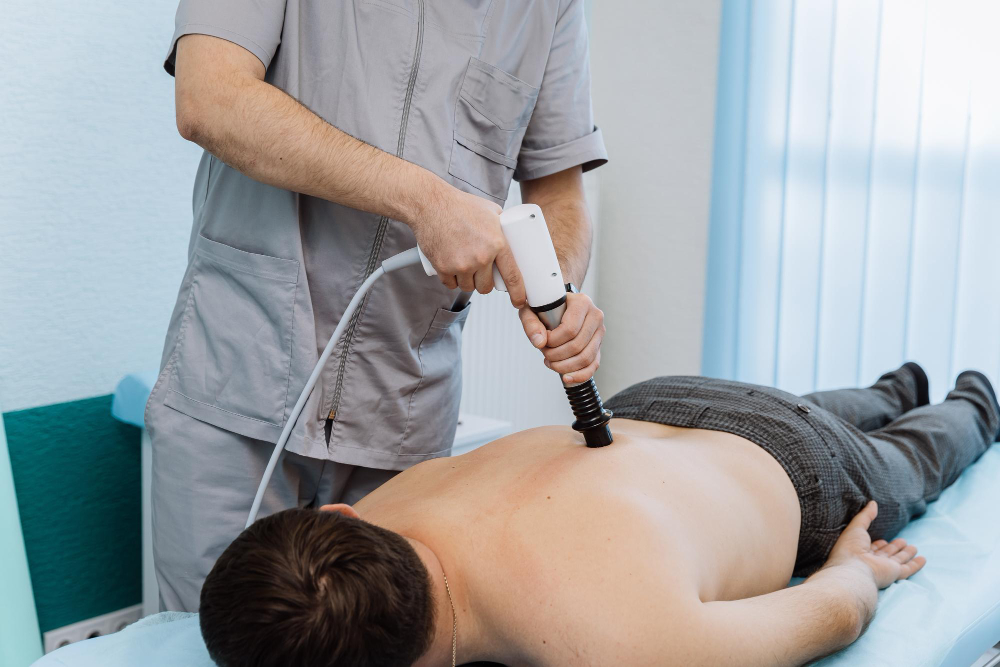
During the procedure, you will lie on a table. First, the doctor cleans the skin and may give you medicine to relax. Next, a thin needle is guided to the painful area using X-ray or ultrasound. Then, a small amount of numbing medicine is given. After that, the doctor uses radio waves to heat the nerve. The whole process usually takes less than an hour. Most people go home the same day.
Potential Benefits and Risks
RFA offers several benefits. For instance, it can:
However, there are some risks. These may include:
According to peer-reviewed studies, most people have few side effects. Still, it is important to discuss all risks with your doctor.
Recovery and Aftercare Tips
After RFA, you may feel sore for a few days. However, most people return to normal activities within a week. To help recovery, you can:
If you notice fever, redness, or severe pain, contact your doctor right away. These could be signs of infection.
Prevention and Lifestyle Guidance
While RFA can relieve pain, making healthy choices can help prevent future back problems. For example, you can:
In addition, talk to your healthcare provider about other ways to protect your back. The World Health Organization recommends regular activity for overall health. By following these tips, you can support your back and lower your risk of pain coming back.